Simple Steps to Trim and Shape Plants the Right Way
Pruning and shaping during Spring Cleanup helps your trees, shrubs, and hedges grow strong and look neat for the rest of the year. The right cuts remove dead growth, improve airflow, and guide plants into a clean shape. If you follow a clear plan and use the right tools, you can refresh your yard safely and get better blooms, fuller hedges, and healthier branches.
What You Need Before You Start
Before you begin any spring cleanup work, gather the right tools. Sharp tools make clean cuts. Clean cuts heal faster and lower the risk of disease.
- Hand pruners for small stems
- Loppers for thicker branches
- Hedge shears for shaping bushes
- A pruning saw for heavy limbs
- Work gloves and eye protection
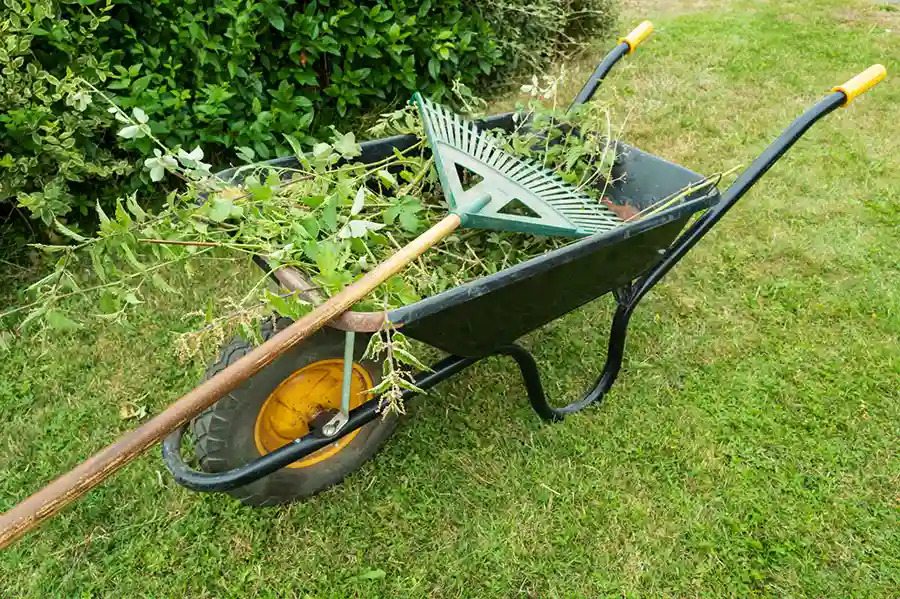
- A yard waste bag or bin
Check your tools before you start. Wipe blades with rubbing alcohol to keep germs from spreading between plants. Wear long sleeves if you are working near thorny shrubs.
Step-by-Step Pruning and Shaping Process
Follow these steps to get the best results during your Spring Cleanup.
- Remove dead or damaged branches first. Look for dry, brittle, or broken limbs. Cut them back to healthy wood.
- Cut crossing branches. When branches rub together, they cause wounds. Remove the weaker one.
- Thin crowded areas. Trim a few inner branches to improve sunlight and airflow.
- Shape the outer edges. Step back often and check your work. Trim small amounts at a time.
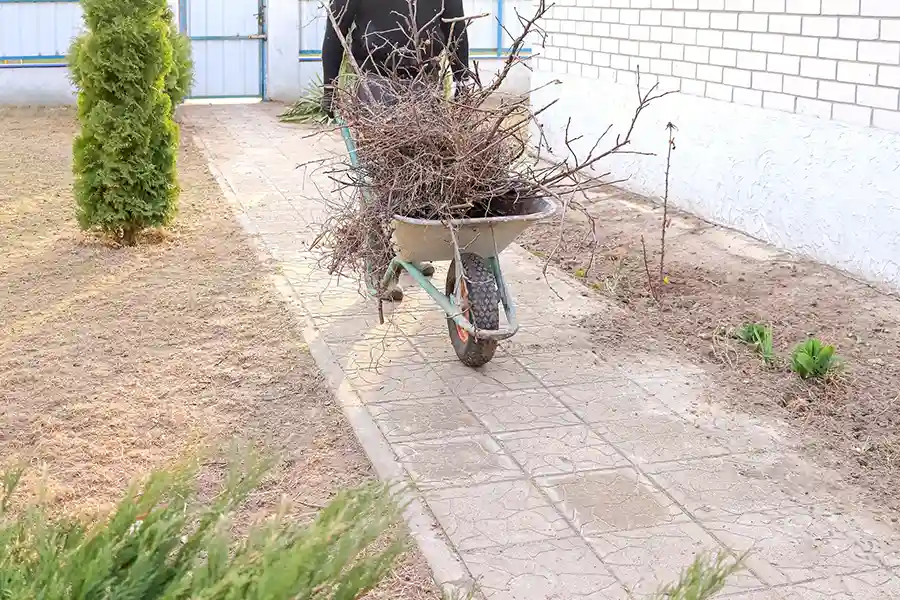
- Clean up debris. Rake leaves and remove clippings to prevent pests and mold.
Always cut at a slight angle, about one-quarter inch above a bud that faces outward. This helps new growth spread away from the center of the plant.
Common Mistakes to Avoid
Many homeowners rush their spring cleanup and make cuts that harm their plants. Avoid these common problems.
- Cutting too much at once. Removing more than one-third of a plant can stress it.
- Using dull tools. This crushes stems instead of slicing them cleanly.
- Topping trees. Cutting the top off a tree weakens structure and invites disease.
- Ignoring plant type. Some flowering shrubs bloom on old wood and should be trimmed after they flower.
If you are unsure about a plant, pause and look up its growth pattern. A quick check can save a season of blooms.
When to Call a Professional
Some pruning tasks go beyond basic yard care. Large tree limbs near power lines can be dangerous. Diseased or storm-damaged trees may need special cuts to save them. If you see cracks in major branches or signs of decay near the trunk, that is not a simple DIY fix.
A trained crew can handle tall trees, heavy limbs, and detailed shaping for larger properties. They also know how to spot early signs of disease during a full Spring Cleanup visit. This includes checking root flare, trunk condition, and overall structure.
Extra Tips for Better Results All Season
Timing matters. Most pruning and shaping should happen in early to mid-spring before strong new growth begins. For summer-flowering shrubs, early spring works well. For spring bloomers, wait until flowers fade.
Water plants after major trimming. Add fresh mulch around the base, but keep it a few inches away from the trunk. This keeps roots cool and helps retain soil moisture.
Spring is also a good time to plan other outdoor projects. Many homeowners pair pruning with lawn care, garden bed cleanup, and other home improvement tasks. Doing everything at once keeps your property looking neat and balanced.
Get Expert Help for a Healthier, Cleaner Yard
If you want help with Spring Cleanup in Federal Way, WA, we are ready to take care of the hard work. At Herrera Landscaping, we handle pruning, shaping, and full property cleanups with safe tools and trained crews. Call us at (253) 235-9605 to schedule your service and let us help your yard look its best this season.